What is Your Blood Sugar Trying to Tell You?
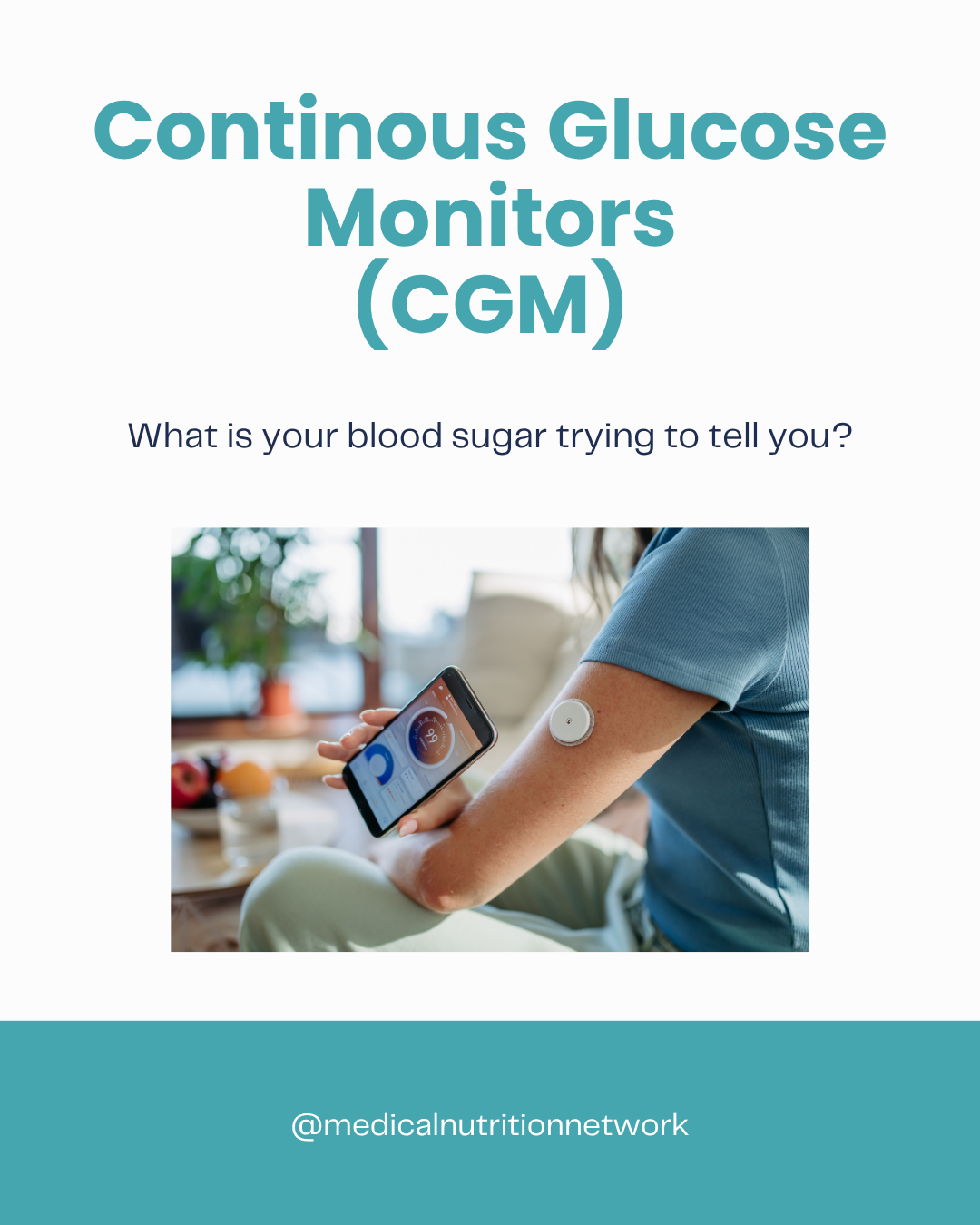
Sometimes you can feel sleepy after a meal or have a sudden craving even though you just ate. These moments are familiar for many, but most of us never get to see what’s happening inside our bodies when they occur. A continuous glucose monitor, or CGM, can offer a window into those patterns, especially for people navigating diabetes, prediabetes, or noticing that blood sugar regulation feels less steady than usual. It’s not about perfection or micromanaging your numbers. It’s about understanding your blood sugar and body with more clarity and less guessing.
A CGM is a small wearable medical device that measures glucose in the interstitial fluid just beneath the skin. It sends readings to a compatible phone app or receiver so you can see how your glucose shifts across meals, movement, medication, stress, and daily routines. A traditional blood glucose stick provides one reading at one moment in time. However, a CGM measures blood glucose every 1 to 5 minutes and shows a pattern across time. It may help someone observe what happens after a meal, during exercise, after taking medication, or during a stressful part of the day. It’s not about chasing perfect numbers. It’s about noticing how your body quietly responds to nourishment, activity, stress, and the pace of your day. For many people, this becomes the first time they can actually see the internal rhythm their body conveys.
What often surprises people is how much these patterns explain the everyday experiences they’ve been having. The afternoon slump that feels like it comes out of nowhere, the irritability before dinner, the sudden craving during a stressful moment; these aren’t random. They’re connected to how your glucose rises and falls throughout the day. When blood sugar becomes harder to regulate, the signs aren’t always dramatic. Sometimes they’re subtle, integrated into energy, mood, and appetite in ways that feel easy to overlook. Some CGMs have alerts that tell you if your blood sugar is dropping too low or rising too high so you can act before it can become too dangerous.
Seeing these patterns can also make conversations with your skilled clinician feel more grounded. Instead of dealing with symptoms alone, you’re able to share trends that show how meals, movement, stress, and medication relate to your glucose shifts. It becomes a way of partnering with your healthcare team, not replacing them. Some devices even allow you to share your data directly with your provider, making the process more collaborative and less confusing.
Continuous glucose monitors can be very helpful, but they do not come without limitations. More information isn’t always better. Normal glucose changes can be confusing, and for people who experience health anxiety or have a history of disordered eating, constant access to glucose data can increase worry or encourage unnecessary restriction. CGMs involve cost, periodic sensor replacement, and the possibility of skin irritation. Because they measure glucose in interstitial fluid rather than blood, readings may lag, especially when glucose is changing quickly. Consequently, they may reduce finger sticks, but not eliminate them. Your healthcare provider may ask you to spot check your blood glucose to make sure the numbers are comparable. Also, the FDA has cleared over‑the‑counter devices that are not intended for people with problematic hypoglycemia or with diabetes because it doesn’t alert users to dangerously low or high glucose levels. These aren’t flaws, they’re simply specific tools for specific individuals.
The question becomes: Is a CGM right for you? For some people, absolutely. For others, the disadvantages can outweigh the benefits. Do not guess, it is important to ask. Knowing your numbers, being screened for prediabetes or diabetes, and talking with your healthcare team can help you understand whether a CGM would provide useful information for your individual needs. The most helpful question you can ask is, "Would a CGM provide useful information for me, and how should I interpret it safely?”.
A CGM is not a diagnostic device. It makes blood glucose patterns visible. Information and knowledge is powerful. But the right information paired with the right guidance, is more than powerful! It can provide opportunity to act with steadiness, clarity, and confidence. You don’t have to navigate these changes alone. With the right support, your body can feel more grounded as you move through this transition. Your RDN can help you make sense of the patterns you’re seeing, connect them to your meals, routines, and symptoms, and collaborate with your physician or diabetes care team so your decisions feel coordinated rather than overwhelming.
Lex Cortez, BS, Nutritional Sciences
Alicia Calvo, MPH, RDN, CDCES, CEDS