Blood Sugar Balance Trio: Protein, Fiber, and Healthy Fats
You may have heard that certain foods "spike" blood sugar while others do not. While there is some truth to that idea, the reality is a little more nuanced. All foods raise blood sugar to some degree, even foods that contain protein and fat. However, foods that are rich in protein, fiber, and healthy fats tend to cause a smaller rise in blood glucose compared to foods high in refined carbohydrates and added sugars.
The goal is not to avoid carbohydrates or prevent blood sugar from rising altogether. Blood glucose is the body's primary source of energy, and rises after eating are a normal part of metabolism. Instead, the focus should be on creating meals and snacks that help support steadier blood sugar levels while providing lasting nourishment and satisfaction. One of the most effective ways to do this is by including protein, fiber, and healthy fats throughout the day.
Protein helps slow digestion and can promote feelings of fullness after meals. Foods such as eggs, fish, Greek yogurt, beans, lentils, and other lean proteins provide important nutrients while typically having less impact on blood glucose than highly refined carbohydrate foods. Protein rich foods can also help make meals and snacks more satisfying, reducing the temptation to reach for quick sources of energy shortly after eating.
Fiber is another important nutrient for blood sugar balance. Because fiber is not fully digested by the body, it slows the absorption of glucose into the bloodstream. Many fiber-rich foods also contain vitamins, minerals, and antioxidants that support overall health. Berries, vegetables, nuts, seeds, legumes, and whole grains are excellent sources of fiber and can fit easily into a balanced eating pattern.
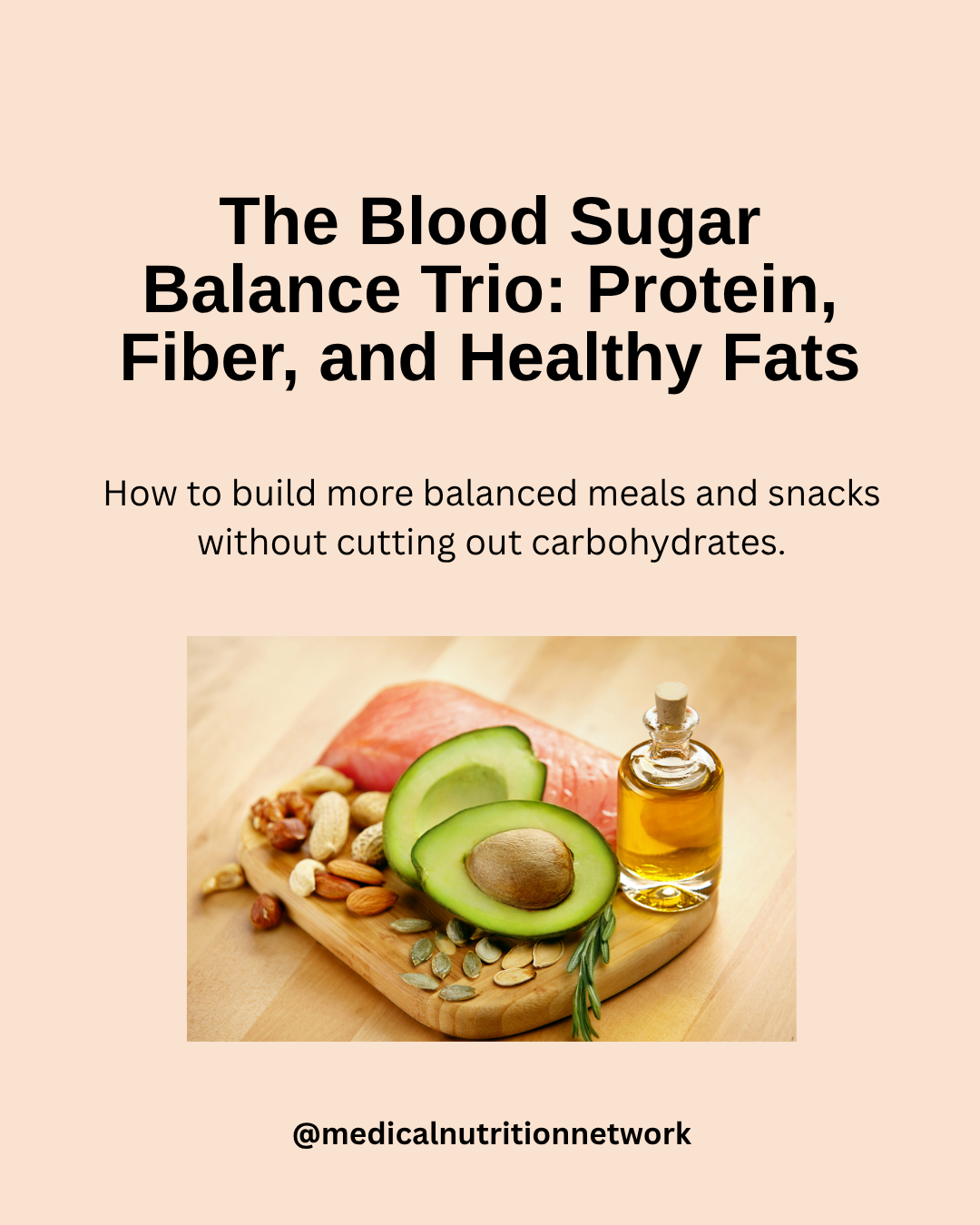
Healthy fats also play a valuable role. Foods such as avocados, nuts, seeds, and fatty fish contain beneficial fats that can help slow digestion and support satiety. In addition, many of these foods provide nutrients that support heart health, which is especially important for people managing diabetes or prediabetes.
Rather than focusing on individual "superfoods," it may be more helpful to think about how foods work together. Pairing carbohydrate containing foods with protein, fiber, or healthy fats can help slow digestion and absorption, resulting in a more gradual blood sugar response. For example, an apple paired with peanut butter may have a different effect than eating the apple alone. Likewise, pairing crackers with cheese can create a more balanced snack than eating crackers by themselves.
Simple snack combinations that provide a balance of nutrients include:
· Apple slices with peanut butter
· Greek yogurt with berries
· Nuts paired with cheese
· Avocado on whole-grain toast
· Vegetables with hummus
These snacks offer a combination of carbohydrates, protein, fiber, and healthy fats that can help support steady energy levels while keeping you satisfied between meals.
It is also important to remember that blood sugar responses vary from person to person. Activity level, stress, sleep quality, medications, and individual health conditions can all influence how the body responds to food. What works well for one individual may look different for another.
Instead of searching for a perfect food or eliminating entire food groups, focus on building balanced meals and snacks that include a variety of nourishing foods. Protein, fiber, and healthy fats are not magic ingredients, but they can be valuable tools for supporting blood sugar management and overall health.
If you have concerns about your blood sugar levels or need help creating a meal plan that fits your lifestyle, consider working with one of our Registered Dietitians. A personalized approach can help you build sustainable habits that support both your health and your enjoyment of food.
Reference: https://diatribe.org/diet-and-nutrition/8-foods-wont-spike-blood-sugar
Lex Cortez, BS, Nutritional Sciences
Alicia Calvo, MPH, RDN, CDCES, CEDS